Social Security Death Benefits

What Families Should Know After Losing a Loved One
Losing someone you love is overwhelming enough without trying to figure out government paperwork and financial benefits. During those first few days, it's easy to overlook resources that may be available to help.
While Social Security won't pay for an entire funeral, there are several benefits that surviving spouses and eligible family members should know about. Taking a little time to contact the Social Security Administration can help ensure you receive every benefit you're entitled to receive.
Is There a Social Security Death Benefit?
Yes.
The Social Security Administration offers a one-time lump-sum death payment of $255 to certain eligible survivors. While $255 won't cover today's funeral expenses, it's still a benefit that many families don't realize exists. Eligible survivors generally must apply within two years of their loved one's death.
Who Can Receive the $255 Death Benefit?
In most cases, the payment is available to:
- A surviving spouse who lived with the deceased.
- A surviving spouse who qualifies for benefits on the deceased spouse's record, even if they were living separately.
- If there is no eligible spouse, certain eligible children may qualify.
Although the amount is modest, it's still worth applying if you're eligible.
Monthly Survivor Benefits May Be Much More Important
The one-time payment often receives the most attention because it's called the "death benefit," but for many families, monthly survivor benefits are far more valuable.
Depending on your situation, Social Security may provide ongoing monthly benefits to:
- A surviving spouse.
- A surviving divorced spouse who meets eligibility requirements.
- Minor children.
- Certain disabled adult children.
- In some cases, dependent parents.
These benefits are based on your loved one's work history and earnings record.
Already Receiving Social Security? Don't Assume Nothing Changes.
Many widows and widowers believe that if they're already collecting their own Social Security retirement benefit, there's nothing more they need to do.
That isn't always true.
If your spouse's benefit would be higher than your own, you may qualify to receive a higher monthly survivor benefit instead. You generally won't receive both full benefits, but you may be eligible for the larger amount.
This is one of the most important reasons to contact Social Security after the death of a spouse.
Even if you've been retired for years, your monthly income could change.
Don't Forget About Divorced Spouses
Many people are surprised to learn that surviving divorced spouses may also qualify for survivor benefits.
In general, eligibility depends on factors such as:
- The marriage lasting at least 10 years.
- Meeting age or disability requirements.
- Remaining unmarried in certain situations.
If this describes your situation, it's worth asking Social Security whether you qualify.
Will the Funeral Home Notify Social Security?
Often, yes.
Many funeral homes report the death directly to the Social Security Administration as part of their services.
However, it's still a good idea to verify that the death has been reported and to contact Social Security yourself if you have questions about survivor benefits or the lump-sum payment.
Questions to Ask Social Security
When you contact the Social Security Administration, consider asking:
- Am I eligible for the $255 lump-sum death benefit?
- Do I qualify for monthly survivor benefits?
- Would survivor benefits be higher than my current retirement benefit?
- Are any children or other family members eligible?
- Is there any paperwork I should complete now?
These simple questions can help ensure you don't miss benefits that could provide meaningful financial support.
Every Family's Situation Is Different
Social Security rules can be complicated.
Factors such as age, disability, previous marriages, retirement status, dependent children, and work history all affect eligibility.
That's why it's important not to rely on assumptions—or advice from well-meaning friends.
Instead, contact Social Security directly and ask about your family's specific situation.
You may discover benefits you didn't realize were available.
You Don't Have to Figure Everything Out Alone
Planning a funeral involves dozens of decisions in a very short period of time.
If you're also trying to understand funeral costs, financial assistance, and available benefits, remember that help is available.
Our Help Paying for a Funeral resource center was created to make these difficult conversations a little easier by gathering practical information in one place—so you can spend less time searching for answers and more time focusing on what matters most: honoring your loved one.

You’re welcome to explore our funeral program collections and find the design that feels right for your loved one—created to help you honor their memory with care and ease.
Each template is fully editable in Canva, allowing you to add photos, update text, adjust colors, and personalize every detail—no design experience needed.
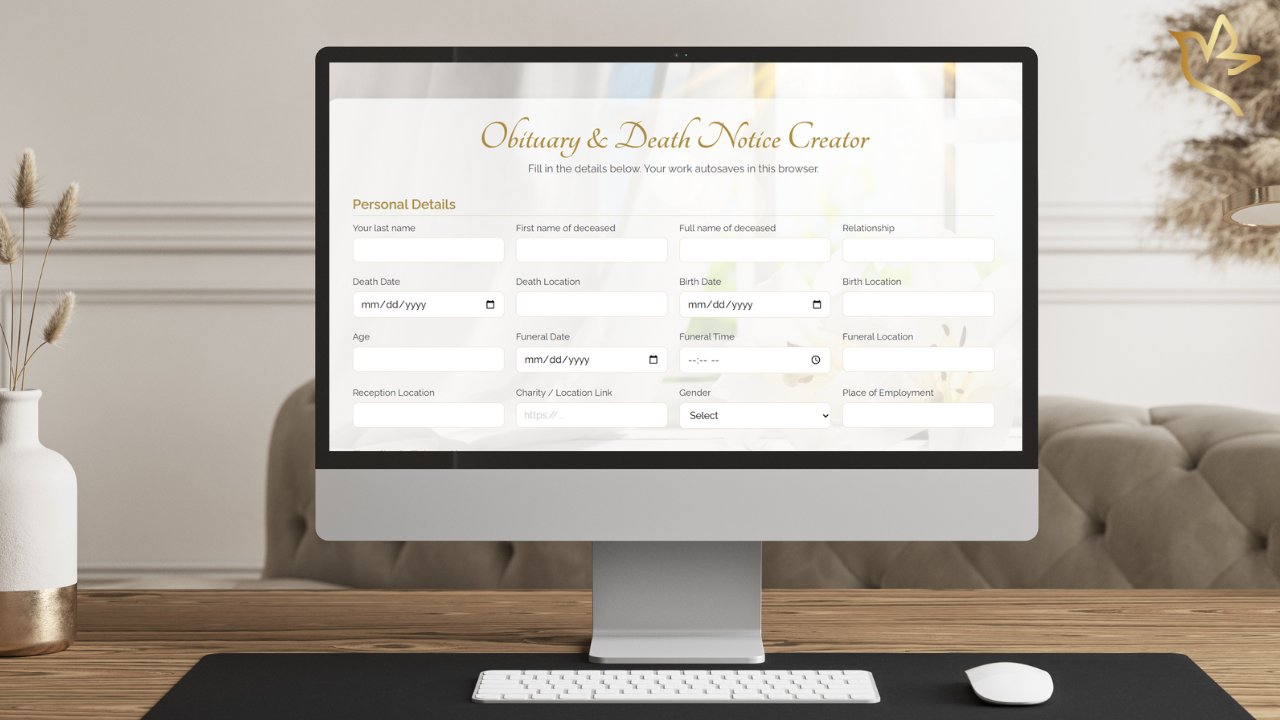
If you need additional support during this tender time, our compassionate team is here for you. Please fill out the form below, and let us guide you through creating a beautiful memorial for your loved one. We're with you every step of the way
Your privacy is incredibly important to us. Rest assured, we will always protect your information and never share it with anyone, for any reason. We're committed to keeping your trust