How to Share a Funeral Fundraiser Without Feeling Like You’re Begging

Creating a funeral fundraiser can be difficult enough. Then comes the part many families find even harder: sharing it.
You may have written the fundraiser, explained what happened, chosen a photo, set a goal and finally worked up the courage to publish it. But now you have to tell people about it. And not just once.
That can feel uncomfortable.
You may worry that people will think you are asking for too much. You may hesitate to post the fundraiser again because you do not want friends and family to feel pressured. You may even find yourself thinking, They already saw it. If they wanted to help, they would have.
But sharing a funeral fundraiser is not the same thing as begging for money.
You are letting people know that your family has a need and giving them an opportunity to decide whether—and how—they would like to help.
Sharing Is Part of Fundraising
A fundraiser that no one sees has very little opportunity to raise money.
Fundraising platforms do not automatically put your fundraiser in front of everyone who might care about your loved one. The people most likely to help are often the people connected to your family, your loved one and the communities that were part of their life.
That means someone has to tell them the fundraiser exists.
GoFundMe specifically recommends sharing funeral and memorial fundraisers with friends and family and continuing to share and update supporters while the fundraiser is active. It also encourages asking other people to share the fundraiser with their own communities.
Sharing is not an unfortunate side effect of fundraising.
Sharing is how fundraising works.
You Don’t Have to Ask for Money Every Time You Share
One reason repeated sharing can feel uncomfortable is that we imagine every post has to say something like:
Please give us money.
It doesn't.
Your fundraiser posts can serve different purposes.
One post might introduce the fundraiser and explain why it was created. Another might share a favorite photograph or memory of your loved one. Another might thank everyone who has already helped. Later, you might share an update about the memorial service or let people know that you are getting closer to your fundraising goal.
The fundraiser link can accompany all of those messages without becoming the entire message.
Instead of repeatedly asking for donations, you are keeping people connected to what is happening.
Tell People That Sharing Helps Too
Not everyone who sees your fundraiser will be able to contribute financially.
That does not mean they cannot help.
Someone who cannot afford to donate may know ten other people who loved your family member. A former coworker may share the fundraiser with people you have never met. A neighbor may send it to members of a community group. A cousin may share it with extended family you could never reasonably contact one by one.
GoFundMe recommends specifically telling supporters that sharing the fundraiser is another way they can help, even if they aren't able to donate themselves.
You can say something as simple as:
If you aren't able to contribute, we completely understand. Sharing this fundraiser with others who knew and loved [Name] would mean just as much to us.
That removes some of the pressure from both sides.
Share With Different Groups in Different Ways
You don't have to send exactly the same message to everyone.
For close friends and family, a text or email may feel most natural. You can explain briefly what the family is facing and include the fundraiser link.
Social media allows you to reach a much wider group at once. Facebook, Instagram and other platforms can also reach people who knew your loved one during a completely different part of their life.
And don't forget about the communities your loved one belonged to.
That might include a church or faith community, workplace, school, neighborhood, veterans group, club, volunteer organization, sports community or other group.
The message does not need to be elaborate. It simply needs to help people understand who the fundraiser is for, why it exists and how they can help.
It’s Okay to Share More Than Once
This is often the hardest part.
You shared the fundraiser yesterday. Surely everybody saw it, right?
Probably not.
People miss posts. They are working. They are caring for children. They scroll past something intending to return to it later and forget. Some people may see your fundraiser for the first time several days after you created it.
GoFundMe's current guidance for funeral fundraisers actually recommends frequent sharing, particularly during the first few days when funeral fundraising often moves quickly.
You don't have to repost the exact same message over and over. Give people a reason for the update:
We are so grateful for everyone who has helped so far.
We wanted to share one of our favorite photographs of Dad today.
Thank you to everyone who has donated or shared our fundraiser.
We are getting closer to our goal and wanted to give everyone an update.
Those don't sound like begging.
They sound like a family communicating with people who care about them.
Let Someone Else Help With the Sharing
You also don't have to carry the entire fundraiser yourself.
If you are the person grieving, planning the funeral, contacting relatives, gathering photographs, handling paperwork and making dozens of decisions, posting fundraiser updates may be one responsibility too many.
Ask someone you trust to help.
A sibling, cousin, friend, neighbor or other family member can share the link, answer basic questions and encourage others to pass it along. GoFundMe likewise suggests asking trusted friends or family members to assist with outreach when sharing feels overwhelming.
There is no rule saying the person experiencing the loss most deeply must also become the family's fundraising manager.
Keep the Message Personal, Not Perfect
You do not need to write beautiful fundraising copy every time you share.
A few honest sentences are enough.
Tell people how things are going. Share a memory. Thank them. Explain what their help is making possible. Let them know what is still needed.
People who care about your family are not grading your writing.
They are trying to understand what happened and what they can do.
Remember Why You Created the Fundraiser
You did not create a funeral fundraiser because asking people for money sounded fun.
You created it because there were expenses your family needed help covering.
Sharing that need does not obligate anyone to give. Every person who sees your fundraiser remains free to donate, share, offer another kind of help or simply send their condolences.
Your responsibility is not to decide for them.
Your responsibility is simply to let them know the opportunity to help is there.
And sometimes the person who sees your fundraiser for the second or third time is the person who finally has a quiet moment to stop, read your loved one's story and say:
I can help with this.

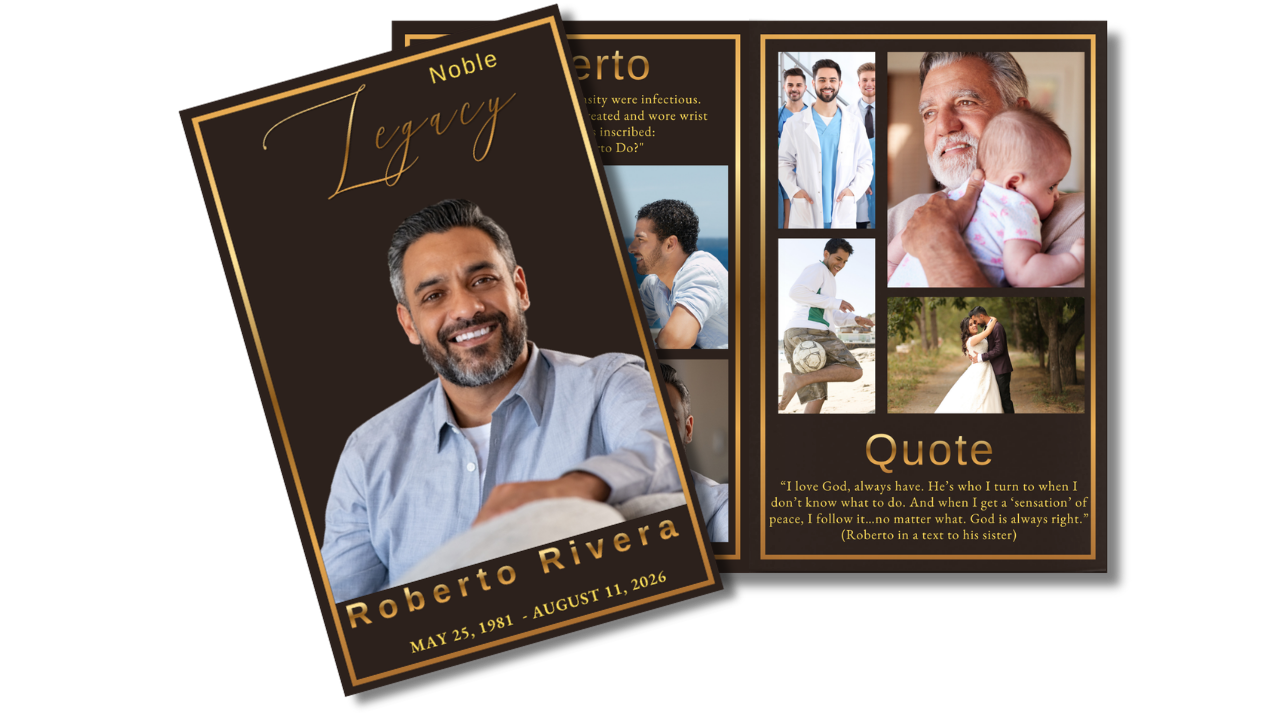
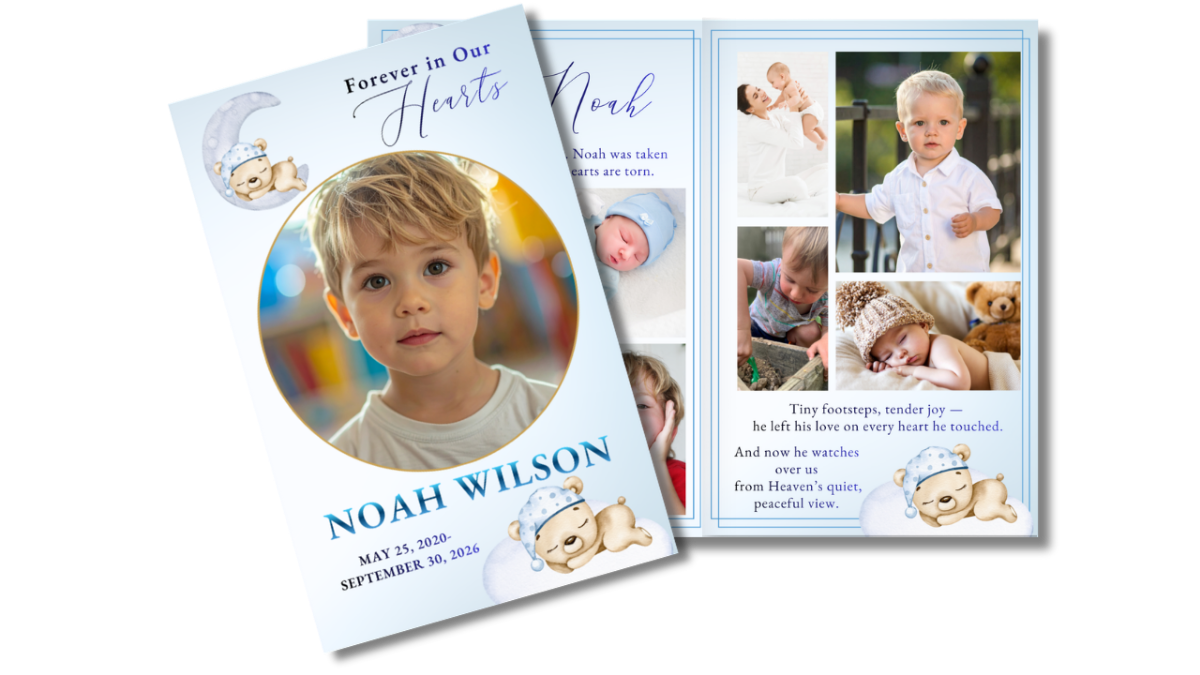
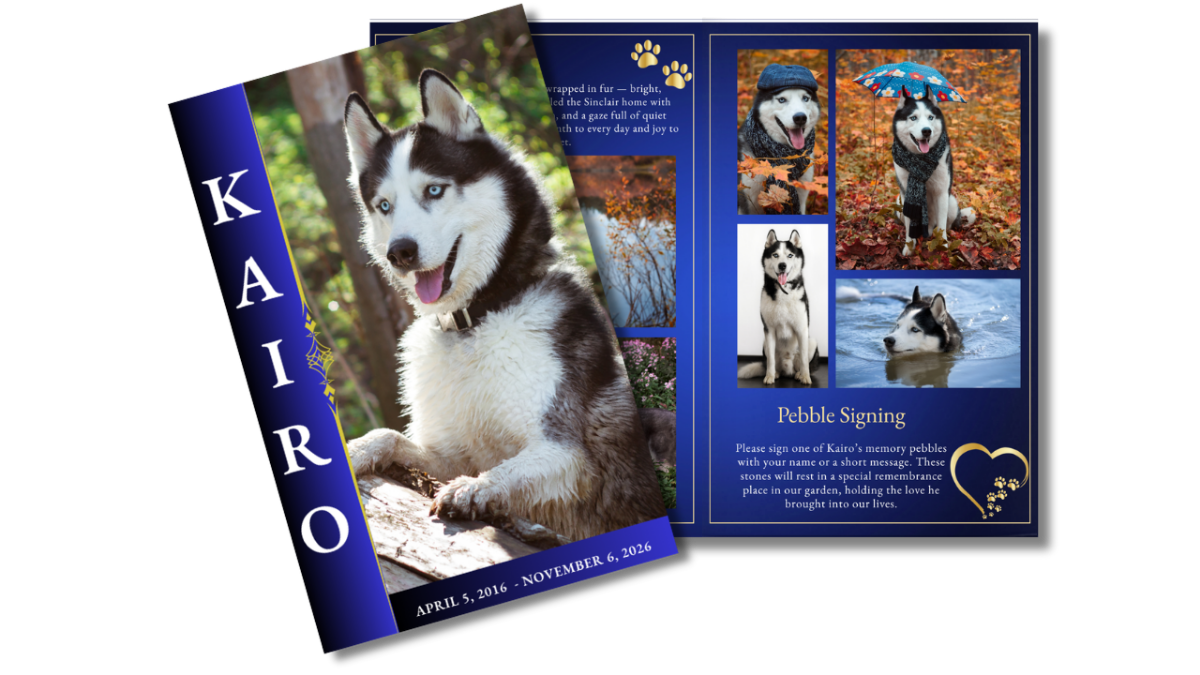
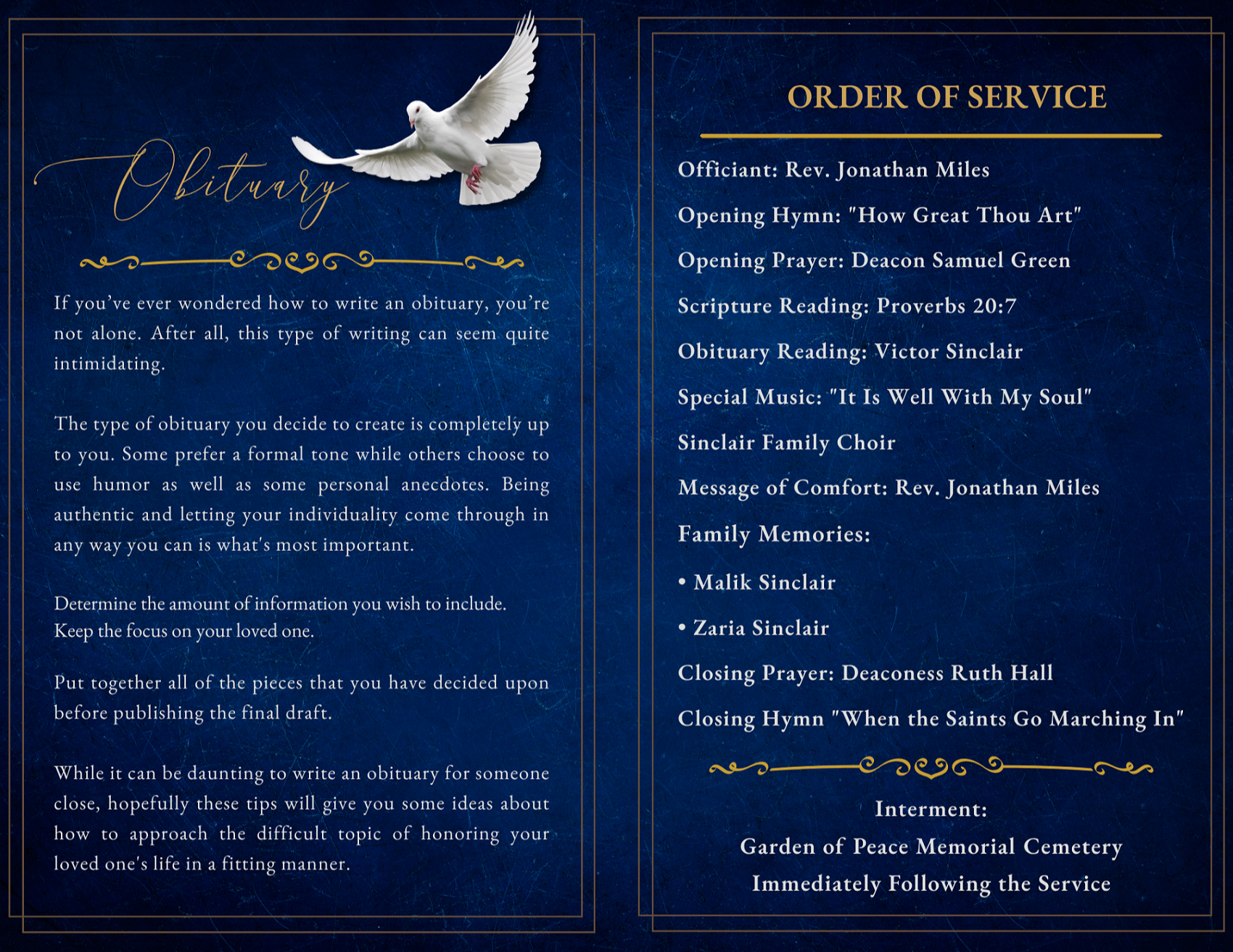
You’re welcome to explore our funeral program collections and find the design that feels right for your loved one—created to help you honor their memory with care and ease.
Each template is fully editable in Canva, allowing you to add photos, update text, adjust colors, and personalize every detail—no design experience needed.
If you need additional support during this tender time, our compassionate team is here for you. Please fill out the form below, and let us guide you through creating a beautiful memorial for your loved one. We're with you every step of the way
Your privacy is incredibly important to us. Rest assured, we will always protect your information and never share it with anyone, for any reason. We're committed to keeping your trust